Steelstorm is a demonstration storefront — here is how a store like this keeps its footprint small.
- Packaging
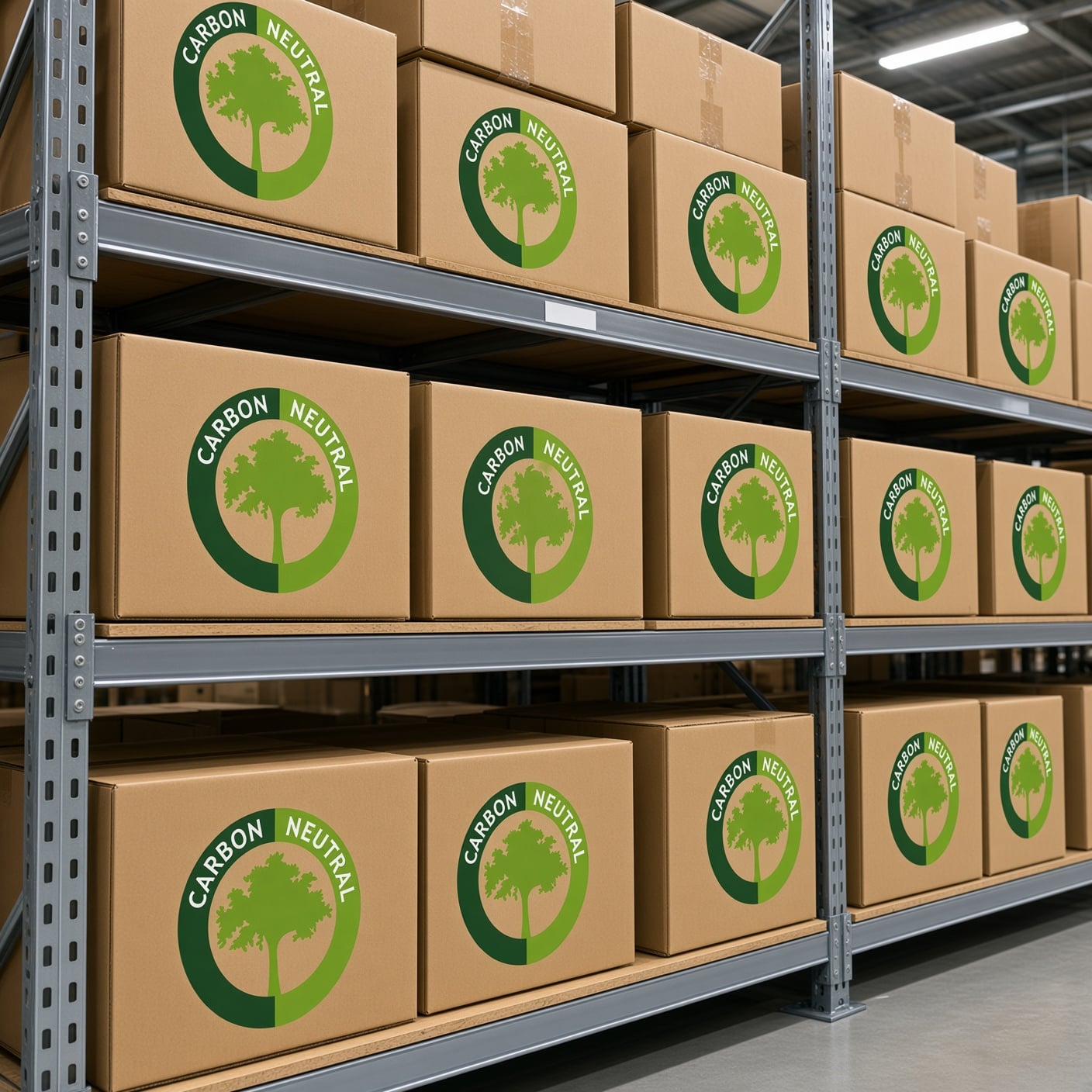
Manufacturer boxes in plain recycled cardboard — no branded outer, no plastic void fill.
- Delivery
Orders consolidate into one parcel, carried by electric courier fleets in the major cities.
- Second life
Returned parts are tested, regraded and re-sold openly rather than scrapped.
- Repairable
We stock the spares and point you to the guide before you reach for a replacement.
- Renewable power
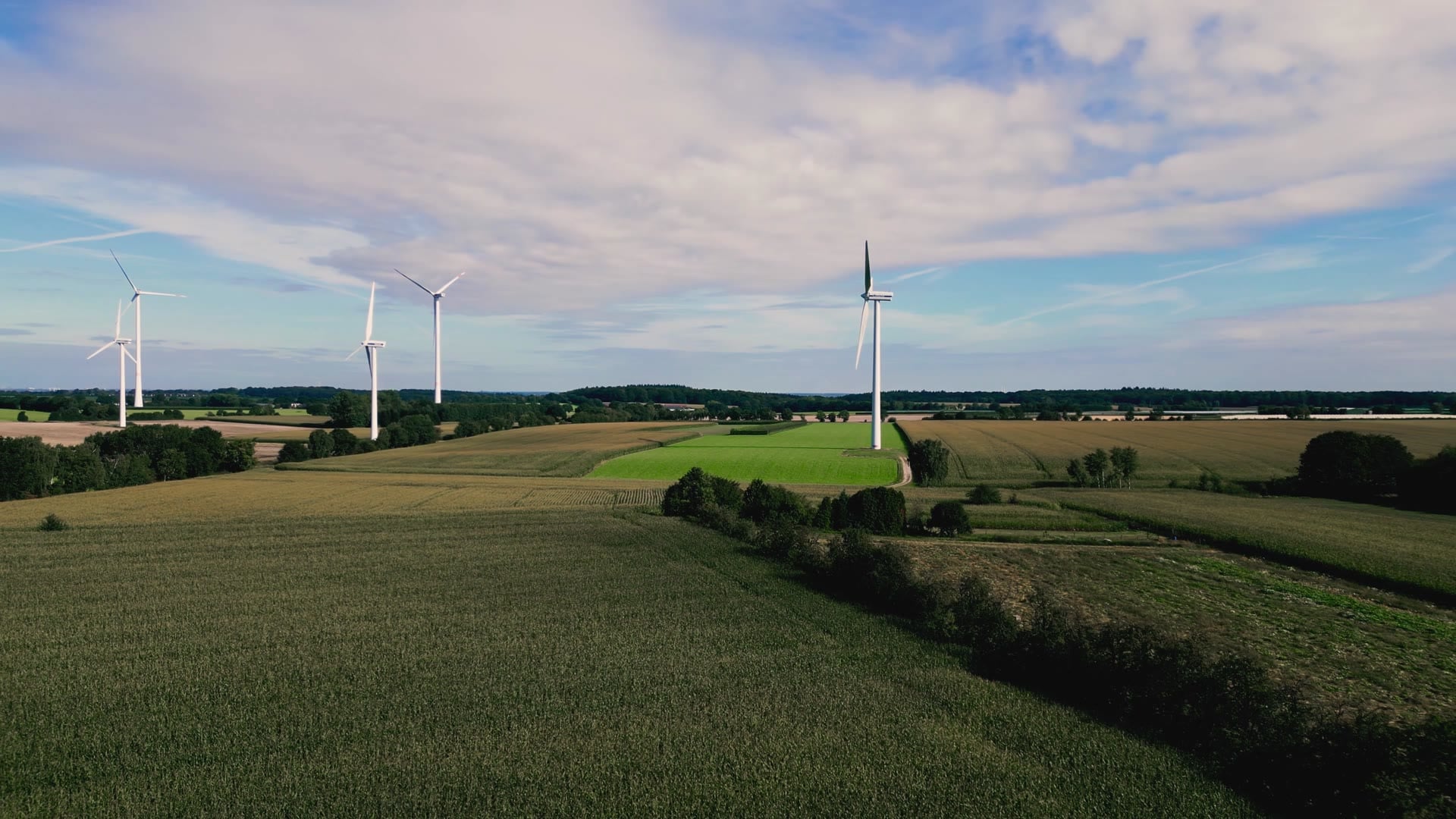
Warehouses and offices run on certified renewable electricity.
- Honest footprint
No parcels actually travel here — admittedly the lowest-carbon programme there is.
Less.
Fewer parcels, plainer boxes, nothing shipped that did not need to exist. The lightest footprint is the one never made.
Longer.
A machine kept twice as long halves the footprint of its making. Spares in stock and the repair guide first — that is this store taking sides.
Onward.
Returns are regraded and resold, retired machines find second desks, and every order can come back here for recycling. The bin is a last resort.
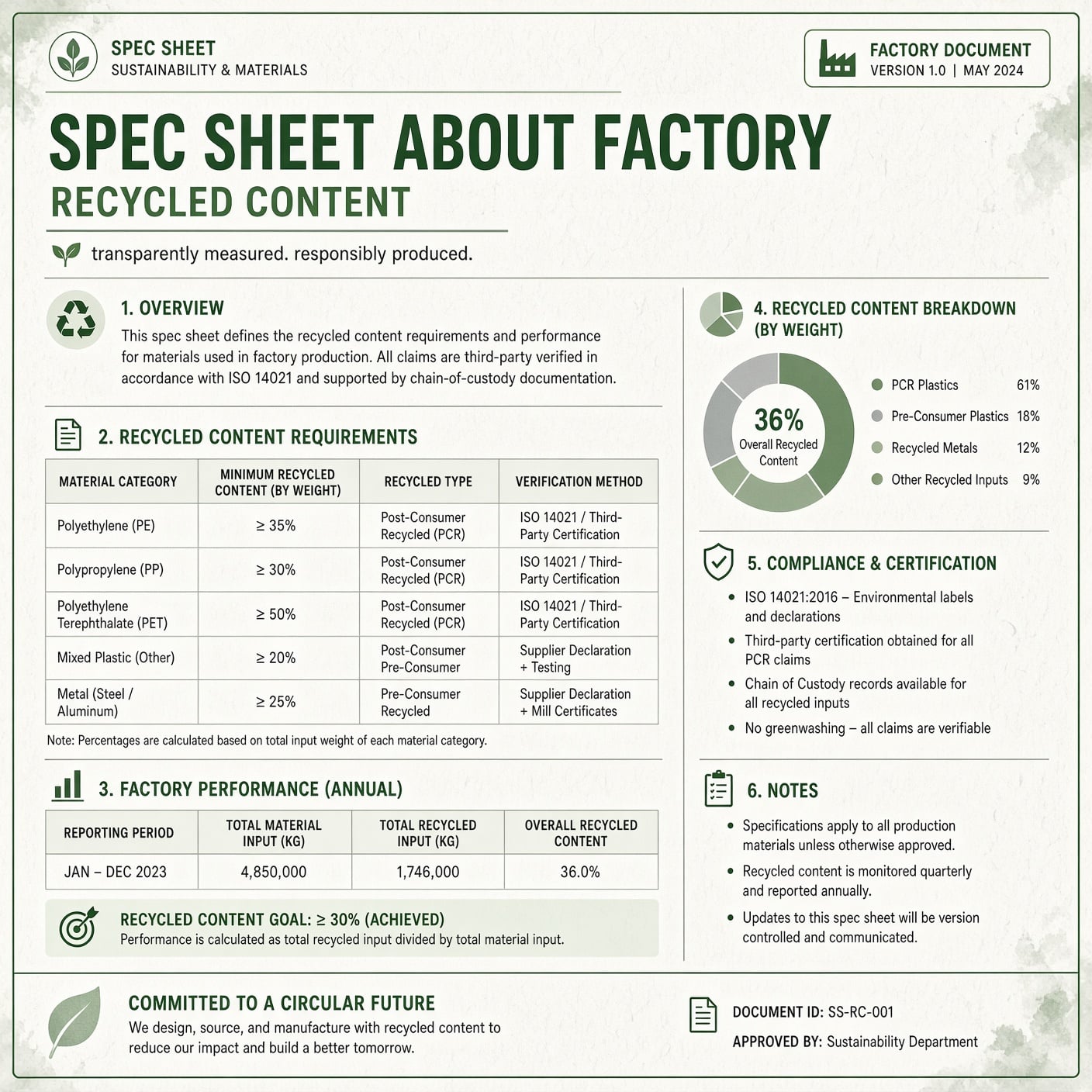
We account for our footprint to the GHG Protocol and publish what we find — the awkward numbers included.
The first lever is always using less: right-sized parcels, consolidated shipments and lower-draw defaults out of the box.
Where a material or a supplier can be swapped for a lower-impact one without hurting the build, we make the swap.
Returns are tested and regraded rather than scrapped, packaging is reused where it survives, and every order can come back to us for recycling.
Impact is written in plain English on the pages that matter — no green jargon, no unread PDF.
Targets are revised as the data lands. When the numbers change, this page changes with them.